
The Future of Food Courts: How Modern Dining Spaces Are Changing the Way India Eats
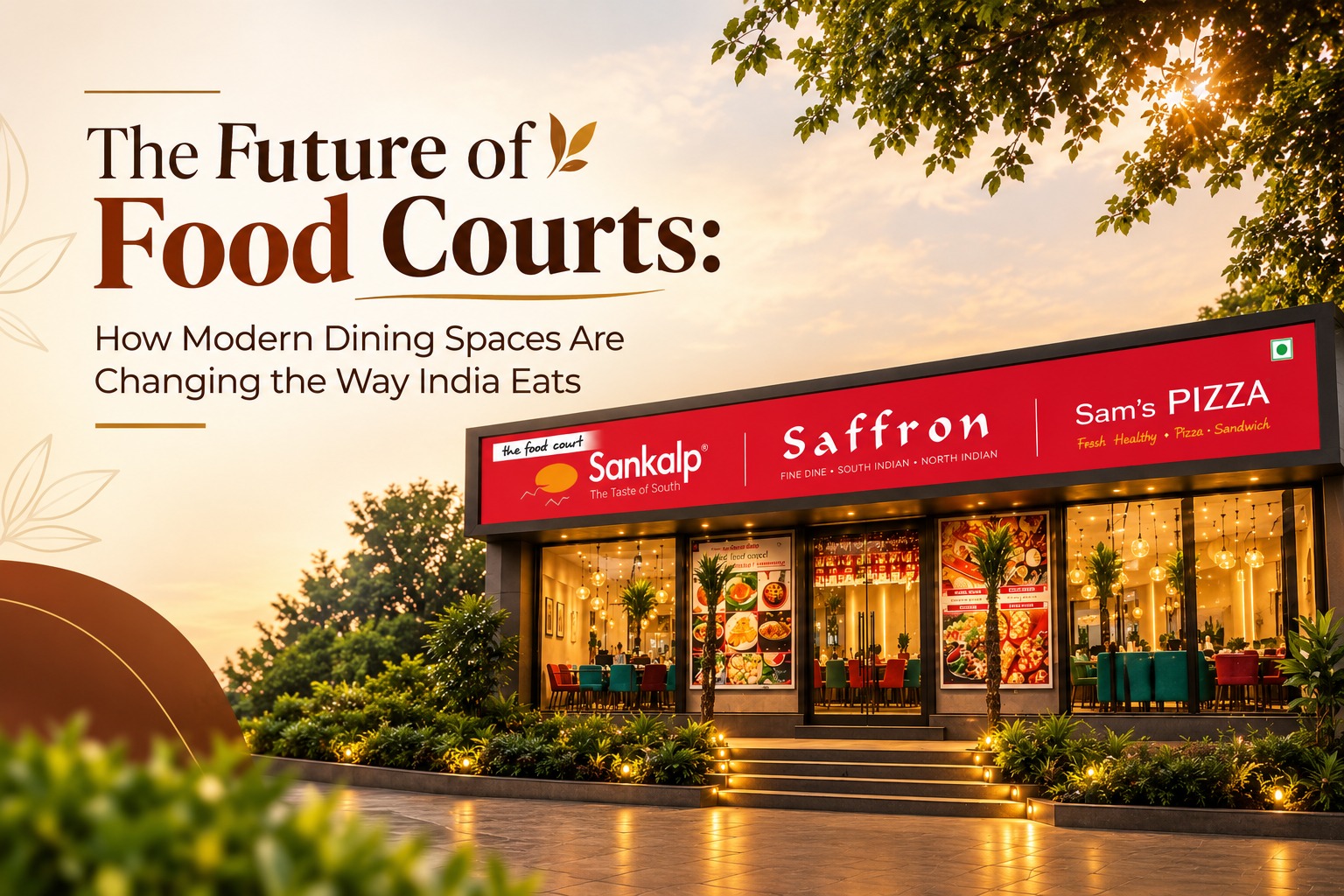
India’s food culture is evolving with changing lifestyles, urbanisation, and the growing demand for convenient dining experiences. From traditional restaurants and street food stalls to modern shopping centres and organised dining destinations, the way people discover and enjoy food continues to transform. Among these developments, food courts are emerging as an important part of India’s modern dining landscape.
Today, a food court is much more than a collection of food counters. It is a shared dining destination where families gather, friends connect, professionals enjoy quick meals, and food lovers explore different cuisines under one roof. Modern food courts bring together variety, convenience, comfort, and affordability, making dining more flexible for people with different tastes and preferences.
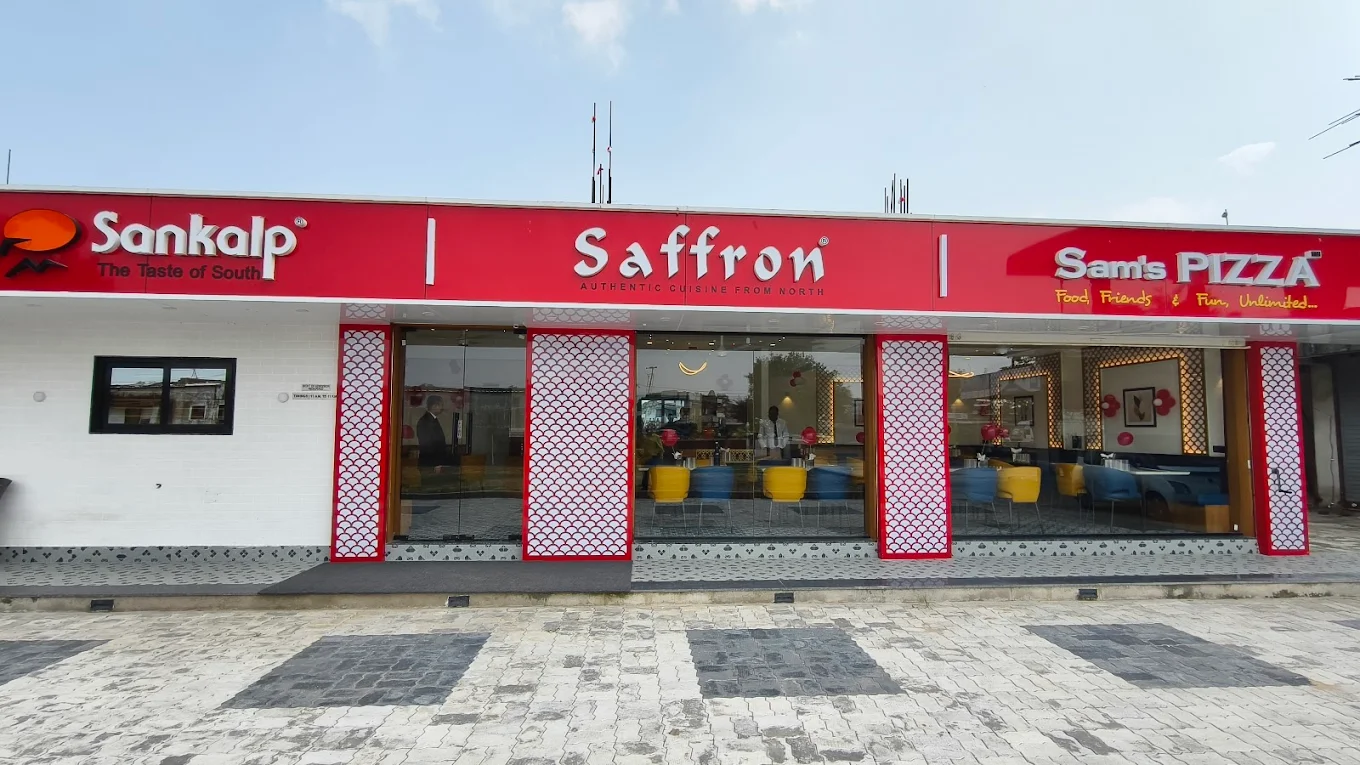
At Sankalp Restaurants, the multi-brand food court concept brings together distinct food experiences, including South Indian cuisine, North Indian meals, Italian-style pizza, loaded fries, and Indian chaat. This approach reflects how modern dining spaces can cater to a diverse audience while making every visit an opportunity to discover something delicious.
1. From Quick Meals to Complete Dining Experiences
Traditionally, food courts were associated with quick meals and convenient seating. Today, they are evolving into more welcoming dining spaces where people can relax, socialise, and enjoy a wider variety of food.
Modern food courts focus on comfortable seating, attractive interiors, efficient service, and menus that cater to different occasions. Whether customers are taking a break from shopping, meeting friends, enjoying a family outing, or grabbing a quick lunch, food courts offer a convenient solution.
This transformation reflects a broader change in consumer expectations. People want more than just a meal; they want a pleasant atmosphere, reliable food quality, diverse choices, and an experience that fits their lifestyle.
2. Multiple Cuisines Under One Roof
One of the biggest advantages of a modern food court is the ability to enjoy multiple cuisines in one convenient location. Instead of visiting different restaurants, customers can choose dishes according to their individual tastes and preferences.
A family might prefer South Indian food, while another member wants North Indian curry, pizza, loaded fries, or a plate of spicy Indian chaat. A multi-brand food court makes it easier for everyone to find something they enjoy.
This variety is particularly relevant in India, where culinary preferences differ across regions, age groups, and occasions. By bringing different food concepts together, modern food courts create a flexible dining experience for individuals, families, and groups.
3. Discover Five Distinct Food Experiences at Sankalp Food Court
The future of food courts lies in offering customers meaningful choices without compromising on convenience. Sankalp Food Court brings together five distinct food brands, each catering to different cravings and dining preferences.
1. Sankalp Restaurant – Authentic South Indian Food
For lovers of traditional South Indian cuisine, Sankalp Restaurant offers familiar favourites that have earned a special place in Indian dining culture. From crispy masala dosas and soft idlis to medu vadas and uttapams, South Indian food appeals to customers looking for flavourful and satisfying meals.
Whether it is breakfast, lunch, or dinner, South Indian specialities provide a delicious option for diners who appreciate traditional flavours and comforting food.
View this post on Instagram
2. Saffron Restaurant – Rich North Indian Cuisine
Saffron Restaurant caters to those who enjoy the rich and varied flavours of North Indian food. From flavourful curries and creamy gravies to Indian breads and hearty meal combinations, North Indian cuisine offers a satisfying dining experience for families and food lovers.
Its presence in a multi-brand food court adds another dimension to the menu, allowing customers to enjoy traditional North Indian favourites alongside other popular cuisines.
View this post on Instagram
3. Sam’s Pizza – Italian-Style Pizza
Pizza has become a favourite choice for casual dining, social gatherings, and family outings. Sam’s Pizza brings an Italian-inspired pizza experience to the food court, offering an option for customers who enjoy cheesy, flavourful, and shareable meals.
Whether customers are catching up with friends or looking for a relaxed meal, pizza adds a familiar and enjoyable choice to the modern food court experience.
View this post on Instagram
4. NORF – Not Only Regular Fries
For customers who love creative snacks, NORF, meaning Not Only Regular Fries, brings a contemporary twist to the food court menu with loaded fries.
Loaded fries offer an exciting option for snack breaks, casual outings, and sharing with friends. With its snack-focused concept, NORF caters to customers looking for something different from traditional meals and conventional fast-food options.
View this post on Instagram
5. Salt n Pepper – Flavoursome Indian Chaat
Indian chaat is loved for its exciting combination of tangy, spicy, sweet, and savoury flavours. Salt n Pepper brings this popular street-food experience into the food court setting, making it a great option for customers who enjoy flavourful snacks and quick bites.
From casual evening cravings to a light snack between meals, chaat adds a distinctly Indian touch to the variety available at a modern dining destination.
One Destination, Different Cravings
Together, Sankalp Restaurant, Saffron Restaurant, Sam’s Pizza, NORF, and Salt n Pepper demonstrate how a multi-brand food court can bring different culinary experiences together.
Customers can enjoy South Indian specialities, North Indian meals, pizza, loaded fries, and Indian chaat in one shared dining environment. This variety makes food courts suitable for families, groups of friends, colleagues, and individuals who want the freedom to choose according to their preferences.
4. Technology Is Making Dining Faster and Smarter
Technology is playing an increasingly important role in the modern food court experience. Digital menus, QR-code ordering, cashless payments, self-service kiosks, and integrated ordering systems can make the dining process more convenient.
Customers value speed and simplicity, particularly during lunch breaks, busy weekends, and shopping trips. Efficient ordering systems can help reduce waiting times and make it easier for diners to navigate their choices.
For food court operators, technology can also provide insights into popular dishes, customer preferences, and peak dining hours. These insights can support better menu planning, inventory management, and operational efficiency.
As digital adoption grows, food courts that combine technology with friendly service can deliver a more seamless customer experience.
5. Convenience and Affordability Will Shape the Future
Modern consumers want dining options that fit their schedules, budgets, and everyday routines. From quick weekday lunches to family dinners and evening snacks, convenience remains an important factor when choosing where to eat.
Food courts bring multiple food choices and shared seating together in one destination. Customers can select meals or snacks based on their preferences, available time, and budget.
Offering clear pricing, a variety of meal options, efficient service, and suitable portion sizes can make the experience more appealing. The combination of convenience and choice will continue to make modern food courts relevant to India’s changing dining habits.
6. Food Courts Are Becoming Social Destinations
Food has always played an important role in Indian social life. Families connect over meals, friends meet for snacks, and colleagues gather during lunch breaks. Modern food courts bring these everyday moments together in a shared environment.
Their flexible format makes them suitable for family outings, casual meetups, shopping breaks, and informal celebrations. With different food brands available in one place, groups can spend time together without everyone needing to order from the same menu.
Comfortable seating, clean surroundings, accessible layouts, and a welcoming atmosphere can make food courts destinations that customers return to regularly.
The future of dining is therefore not just about the food being served. It is also about creating spaces where people feel comfortable spending time together.
7. Food Quality and Hygiene Remain Essential
While variety and convenience attract customers, food quality and hygiene help build lasting trust. Diners increasingly value cleanliness, consistent preparation, fresh ingredients, and reliable service.
For food court operators, maintaining appropriate food safety and hygiene standards across different counters is essential. Clean dining areas, responsible food handling, and consistent operational practices contribute to a better customer experience.
Restaurant brands also influence customer confidence. Familiar brands with established menus and consistent preparation can help diners make choices more comfortably.
As competition grows, food courts that prioritise food quality alongside convenience and variety will be better positioned to earn repeat visits and customer loyalty.

8. Regional Flavours Will Continue to Influence Indian Food Courts
India’s culinary diversity offers significant opportunities for modern food courts. Regional dishes, traditional recipes, and familiar flavours allow dining destinations to connect with local communities while introducing customers to new experiences.
South Indian favourites such as dosa, idli, vada, and uttapam continue to appeal to a wide range of diners. North Indian curries and breads offer hearty meal options, while Indian chaat brings the familiar excitement of street-food flavours. Pizza and innovative snacks such as loaded fries add further variety.
Combining these choices enables food courts to serve different preferences while celebrating the diversity of India’s food culture.
Understanding local tastes and customer expectations will remain essential for creating relevant and successful dining experiences in different cities.
9. The Business Potential of Modern Food Courts
The growth of organised dining formats presents opportunities for restaurant brands, food entrepreneurs, and hospitality businesses. A well-planned food court can bring multiple brands and cuisines together while creating a convenient destination for a diverse customer base.
Its success depends on several factors, including location, customer footfall, cuisine selection, operational efficiency, food quality, and the overall dining environment.
For restaurant brands, food courts can provide opportunities to reach different customer segments and participate in a shared dining destination. For customers, the format offers flexibility, variety, and convenience.
Multi-brand concepts, such as the collection of food experiences associated with Sankalp Food Court, illustrate how different restaurant offerings can contribute to a broader dining experience.
As India’s foodservice industry evolves, well-managed food courts can play an important role in meeting the needs of modern consumers.
10. What Will the Future of Food Courts Look Like?
The next generation of food courts will likely be shaped by several important developments:
- Smarter ordering: Digital menus, convenient payment options, and streamlined service.
- Greater cuisine diversity: More opportunities to enjoy regional Indian dishes, popular national favourites, and international-inspired food.
- Customer-focused design: Comfortable seating, accessible layouts, and inviting dining spaces.
- Greater attention to sustainability: Better food-waste management, responsible packaging choices, and efficient use of resources.
- Flexible food choices: Options for different appetites, preferences, and dining occasions.
- Consistent quality: Continued emphasis on hygiene, food preparation, and customer service.
- Experience-led dining: Spaces that encourage social interaction and make dining out enjoyable.
The way these developments take shape will vary across cities and locations. However, the central idea will remain the same: successful food courts will combine convenience, variety, quality, and a positive customer experience.
Conclusion
The future of food courts in India extends far beyond quick meals. Modern dining spaces are becoming versatile destinations where people can explore different cuisines, spend time with family and friends, and enjoy convenient food choices in one place.
From authentic South Indian food at Sankalp Restaurant and North Indian cuisine at Saffron Restaurant to pizza at Sam’s Pizza, loaded fries at NORF, and Indian chaat at Salt n Pepper, a multi-brand food court reflects the diversity of modern Indian dining preferences.
As consumer expectations continue to evolve, technology, food quality, comfortable spaces, regional flavours, and efficient operations will help shape the next chapter of food court dining.
For Sankalp Restaurants, this changing landscape highlights the value of bringing different food experiences together while making dining more convenient and enjoyable. Modern food courts offer an opportunity to celebrate India’s diverse culinary culture in a format suited to contemporary lifestyles.
Because the future of food courts is not just about serving different cuisines under one roof. It is about bringing people together through food, choice, and shared experiences.

